When Can You Test Water Pressure Yourself?
A kitchen faucet that barely fills a pot is a good reason to take a careful pressure reading, but only if you can reach a hose bib safely and use a gauge correctly. A homeowner can check a basic reading; repeated pump cycling, sudden changes, or pressure problems affecting several fixtures call for professional diagnosis.
Seasonal temperature changes can alter household water demand, so note whether the symptom appears during busier use rather than treating one reading as the whole story. Ice storms can interrupt power and water service, making it useful to record pressure before and after an outage.
Near Blennerhassett Island Historical State Park, as elsewhere in West Virginia, keep a written note of when symptoms start and what else is running.
What can a homeowner test safely?
If one faucet runs weakly, compare it with another fixture before reaching for a gauge. A clogged aerator or local fixture issue may affect one tap while the rest of the house works normally.
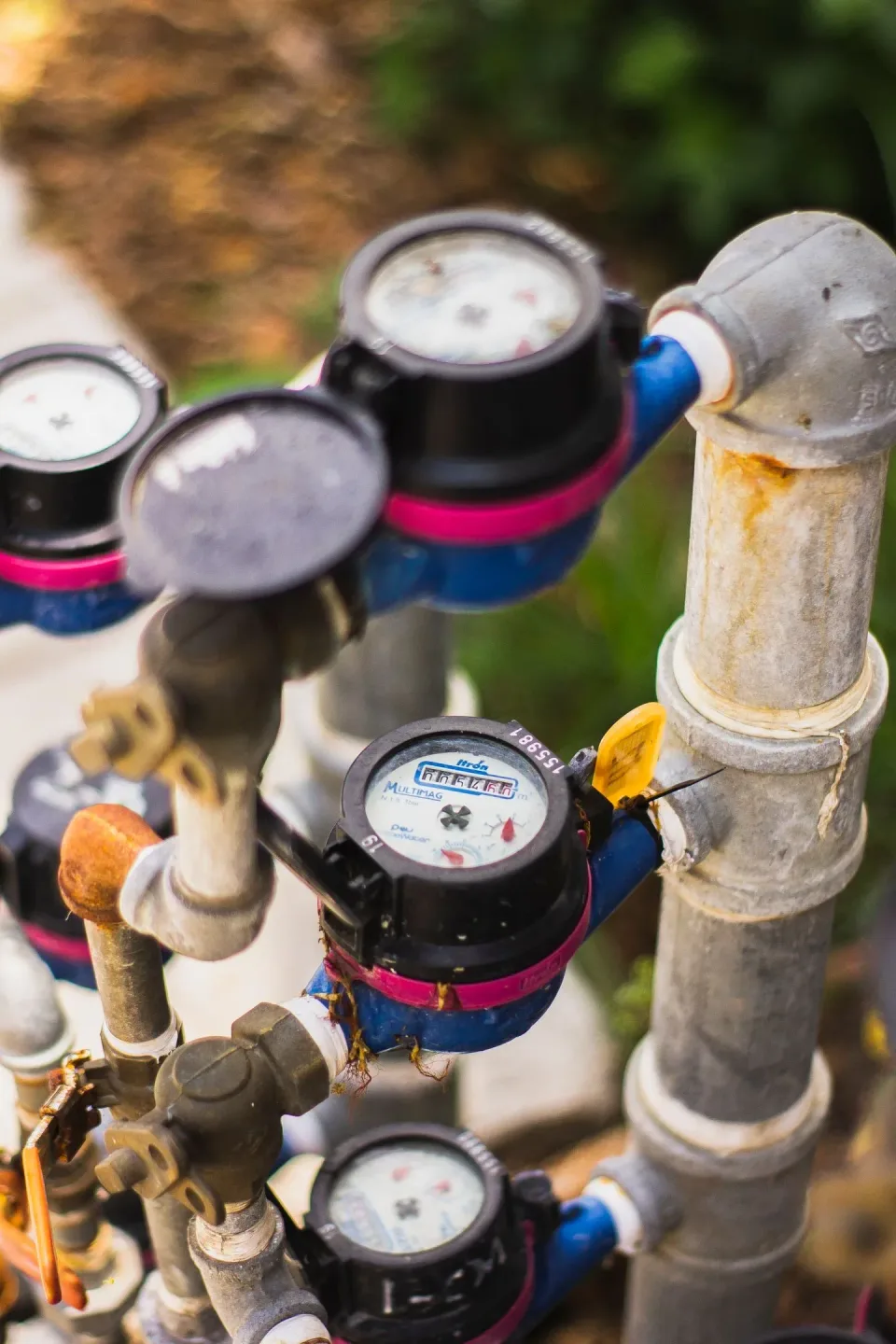
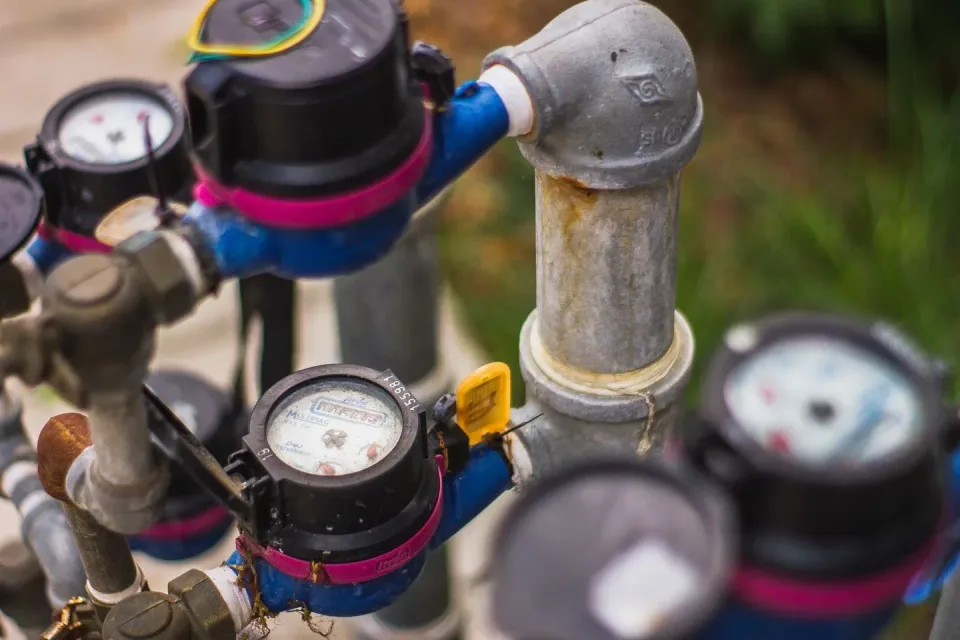
A gauge that connects to an outdoor hose bib can give a useful basic reading; follow its instructions, open the tap carefully, and keep the reading with the date and symptoms. Do not adjust plumbing controls just to change the number.
One missed step is testing while other fixtures are running, which can make the result difficult to interpret. If upstairs taps lose pressure or laundry use changes flow elsewhere, record what was operating and note whether the problem is isolated or widespread.
When should you stop and call a pro?
A well pump that cycles every minute, a sudden whole-house drop, or a gauge reading that jumps unpredictably deserves professional attention. These signs may involve controls, a pressure tank, a supply restriction, or an electrical issue not just a faucet setting.
Do not open pump controls, drain equipment, or attempt wiring repairs. Our crew tests the system before recommending work and explains the likely cause and repair options before starting.
In homes near Blackwater Falls State Park, cold winters can leave exposed plumbing vulnerable to freezing; if pipes are frozen or leaking, avoid using a pressure test as a substitute for inspection. A fast-changing reading is a clue, not a diagnosis.
How do freeze-thaw conditions affect readings?
Freeze-thaw cycles can stress exposed plumbing and foundations, so a new pressure problem after a cold spell may come with a leak or a damaged section of pipe. Look for damp areas and visible drips without disturbing a suspected frozen line.
Flash flooding can affect low-lying properties, too; after water reaches plumbing or well equipment, note the affected area and avoid assuming a pressure gauge alone confirms the system is safe. If the house is near Point Pleasant Riverfront Park or another low-lying setting, report any flooding when arranging an inspection.
Green Bank Observatory is a reminder that service locations across the state can be far apart; clear notes and access information help us coordinate a visit efficiently.
When is a professional test the better choice?
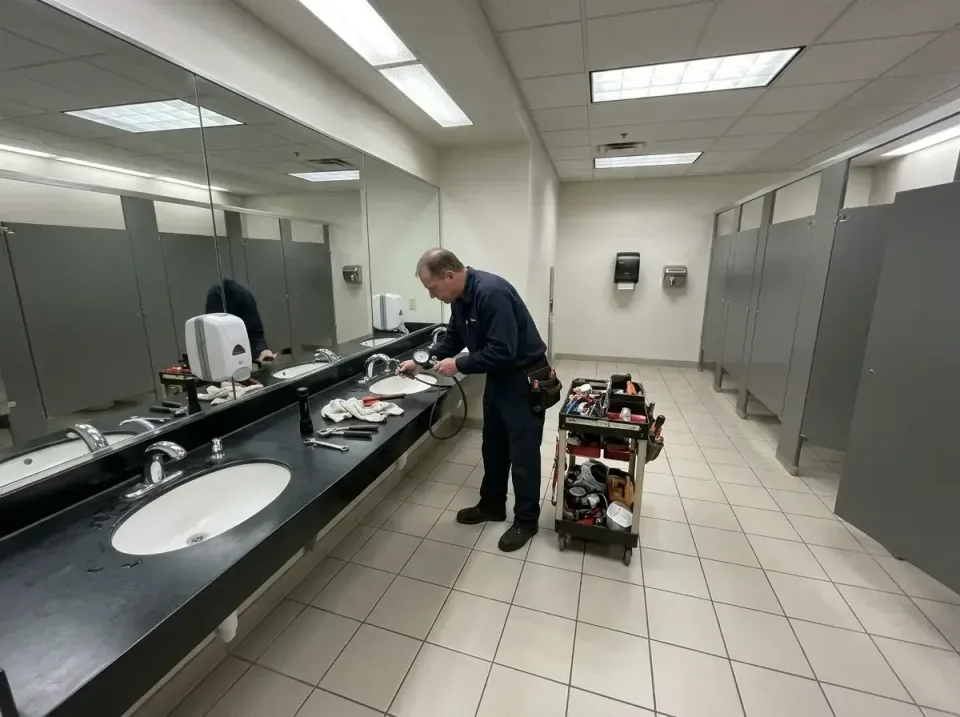
A homeowner’s reading is a starting point. A technician can compare conditions at a hose bib and fixtures, check whether pressure changes when water flows, and inspect accessible equipment for a cause.
If a pressure regulator or well system may be involved, a home test cannot establish which component needs repair. We first confirm what you are experiencing, then explain findings in plain language and confirm the scope before work begins.
For facility managers, property manager coordination and clear service records help keep follow-up organized across tenants or buildings. If several occupants report the same drop, gather their examples rather than asking them to adjust equipment. That gives the inspection a useful starting point.
Which Pressure Test Option Fits the Problem?
If the kitchen tap is weak but the shower is normal, start with a fixture-level check; a whole-home or well-system symptom needs a broader assessment. The right test depends on where the pressure changes.
| Option | Best for | Key detail |
|---|---|---|
| Static reading | Initial household check | Record the gauge reading with fixtures closed. |
| Flowing reading | Pressure loss during use | Compare pressure while water runs. |
| Fixture comparison | One weak tap | Check other fixtures before assuming a whole-house fault. |
| Well-system inspection | Pump or tank symptoms | A 20/40 or 30/50 psi switch setting may be present; do not adjust it casually. |
Four distinct seasons across West Virginia mean the same home can have different water-use patterns through the year. At Charleston Town Center, nearby homes may have different plumbing layouts, so note the fixture and conditions rather than comparing readings with another property.
Around Coopers Rock State Forest, access and exposure can affect what an inspection needs to cover. Before choosing a test, ask what equipment is being measured and whether water will need to be running.
How Do You Prepare for a Pressure Test?
A little preparation helps us separate a single-fixture problem from a system-wide pressure change. Keep it simple, and do not adjust well controls yourself.
-
Note the symptoms: Identify which taps are affected and whether a showerhead or another fixture changes the pattern.
-
Clear equipment access: Make the pressure equipment reachable and tell us if well equipment is on a difficult-to-reach part of the property.
-
Record the timing: Note whether the issue appears after heavy water use or during a power interruption; summer thunderstorms can interrupt power to well pumps.
-
Mention seasonal concerns: Around Snowshoe Mountain Resort, colder weather and autumn temperature swings make it sensible to report exposed plumbing that may need freeze prevention.
-
Describe well changes: Drought periods can reduce private well yield, so tell us if the water supply itself seems lower as well as the pressure.
Leave pump controls and wiring untouched; we can test and explain the next step.
Should You Book a Water Pressure Test?
If the shower weakens when a toilet is flushed or several taps lose pressure together, a gauge reading may help, but it cannot identify every cause. Heavy rain can raise sediment in private wells, so tell us if pressure trouble follows a storm or water appears different.
Near Haddad Riverfront Park, Kanawha State Forest, Huntington Riverfront Park, Marshall University, or Morgantown Personal Rapid Transit, the important first step is still to describe the symptom and when it occurs not to guess at a repair. We test before recommending work and explain practical options.
For a professional assessment, contact West Virginia Plumbing Pros at (877) 773-0781 or arrange Water Pressure Testing.