Why Does a Well Pump Cycle Every Minute?
A well pump that starts every minute is short cycling, and a failing pressure tank is one possible reason. The tank stores pressurized water so the pump does not need to start every time a tap draws a small amount.
Short cycling can wear pump controls and motor parts faster, so note how often it runs and whether the pressure surges or fades. A well pump system also depends on the switch and piping, so the tank is not the only possible cause.
A quick adjustment is not always the answer. Our crew serving West Virginia checks the system before recommending work.
The West Virginia State Capitol is a familiar Charleston landmark, while cold winters bring frozen-pipe service calls that can complicate pressure symptoms.
What does the pressure tank do for a well pump?
When a shower turns weak or the pump clicks on and off repeatedly, the pressure tank helps supply water between pump cycles. In a typical bladder tank, stored air compresses as water enters; that cushion lets the system deliver water before the pump must restart.
If the tank loses its air charge or its bladder fails, the usable water reserve can shrink. The pump may then start frequently, even with modest household use.
The symptom points to a problem, not a diagnosis. A pressure switch fault, leak, or poor well recovery can also cause rapid cycling.
In West Virginia, drought periods can reduce private well yield, so a pump that runs often may be struggling to replenish water rather than simply suffering a tank fault. Canaan Valley Resort State Park offers a familiar regional reference, but well conditions and equipment differ from property to property. We check the actual system rather than assume the cause from the sound alone.
Which signs suggest a tank or control problem?
Listen for repeated starts during a small draw, rapid pressure swings, or a pump that continues running after a tap is closed. These clues help narrow the inspection, but they do not prove a failed tank. Heavy rain can raise sediment in private wells; sediment may contribute to restrictions or equipment wear, so mention recent changes in water clarity when booking an assessment.
Freeze-thaw cycles stress exposed plumbing and foundations, and a leak in vulnerable piping can keep the pump responding to pressure loss. Keep clear maintenance records if you have them: prior service dates, switch adjustments, and tank replacement details give our technician useful context.
We record symptoms and test before presenting an estimate. For separate home pressure symptoms, see our guide to pressure drops during laundry.
When is DIY safe, and when should you call?
You can safely observe and write down how often the pump starts, which fixtures are running, and whether water pressure changes. Do not open electrical controls or change switch settings without the right training; incorrect adjustments can cause unsafe operation or mask the real failure. Summer thunderstorms can cause outages affecting well pumps, so if cycling begins after a storm, note whether power interruptions occurred and whether the pump resumes normally.
Call for a professional assessment if cycling persists, the pump runs continuously, pressure falls across the home, or you see leaking near the tank. Our crew tests the system, explains what the readings suggest, and confirms the repair scope before starting work.
What should you expect from an inspection?
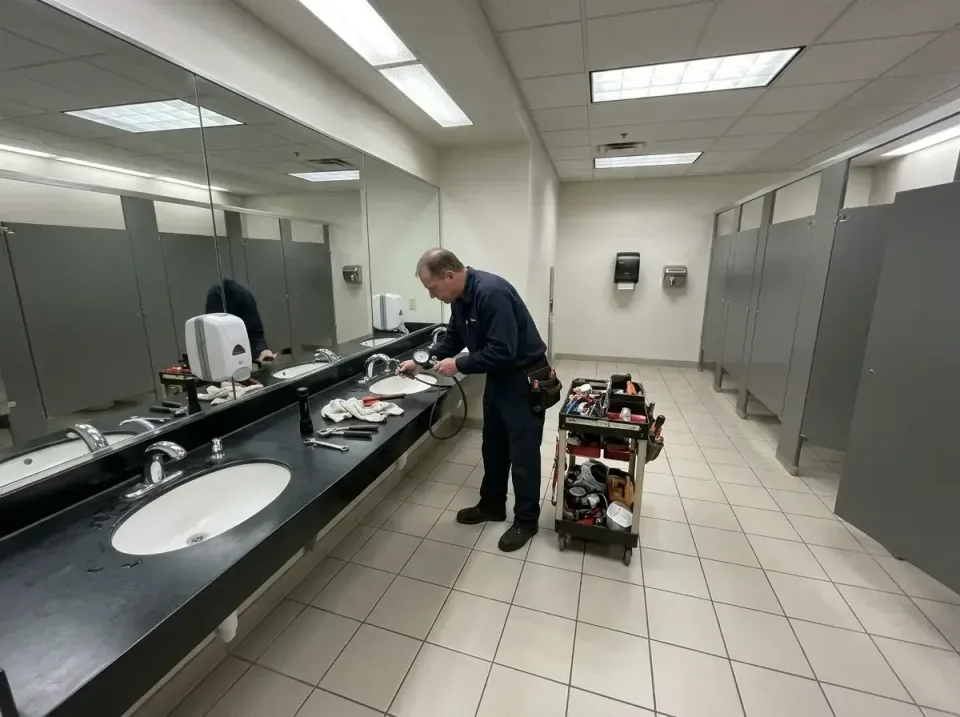
A technician can compare the system’s behavior under use, inspect accessible components, and identify whether the tank, switch, plumbing, or water supply needs attention. The exact next step depends on evidence, not a guess based on pump noise.
Autumn temperature swings increase freeze-prevention needs, so ask about exposed lines if equipment sits in an unheated area. We explain findings in plain language and provide an estimate for the confirmed scope before repairs begin.
Keep the area around the tank accessible; blocked equipment can slow inspection and make it harder to see leaks or fittings.
Which Pressure Tank Option Fits a Cycling Pump?
The right repair depends on whether the symptom comes from the well equipment, a fixture, or the home’s pressure controls. A faucet that acts alone calls for a different check than a pump that cycles throughout the house.
| Option | Best for | Key detail |
|---|---|---|
| Well pressure tank | Pump starts too often between water draws | Mechanical-room equipment inspection can reveal leaks, corrosion, or connection issues. |
| Pressure switch repair | Pump activation appears inconsistent | A well pressure switch may be set at 20/40 or 30/50 psi. |
| Booster pump repair | Supply pressure needs help after the well system is checked | A booster raises pressure in supply lines; it does not fix every cycling cause. |
Haddad Riverfront Park and Huntington Riverfront Park are familiar regional landmarks; wherever your home is, we base the recommendation on inspection findings.
How to Prepare for a Well Pump Inspection
A few observations make the visit more useful. Note the cycling pattern and keep the tank area accessible; never open electrical controls to collect readings.
Thomas Savery was an early pumping-system pioneer, but modern well controls require careful, practical checks. At higher elevations near Dolly Sods Wilderness, ice storms can disrupt power and water service, so tell the technician if an outage preceded the symptom.
-
Record the symptom: Note how often the pump starts and whether a faucet or shower was running.
-
Identify affected fixtures: List which taps lose pressure and whether the problem happens throughout the home.
-
Clear equipment access: Move stored items away from the pressure tank and nearby controls.
-
Keep records available: Share prior service notes or estimates that describe earlier adjustments.
-
Leave controls alone: Do not alter wiring or switch settings before the inspection.
-
Confirm access: Make sure the technician can reach the well equipment and discuss any power-access concerns.
Ready to Get Help With a Cycling Well Pump?
A pump that cycles every minute deserves attention, but the pressure tank is only one possible cause. Record the pattern and arrange an inspection if the cycling continues, water flow changes, or the pump fails to shut off.
Four distinct seasons across West Virginia can bring changing demands on household systems; hilly terrain can also complicate access to wells and service equipment, so mention access conditions when scheduling. Our crew coordinates statewide service carefully and explains findings before work begins.
-
Note the pattern: Record when cycling happens and which fixtures are in use.
-
Prepare the area: Keep the pressure tank accessible for inspection.
-
Request an assessment: We test the system and explain practical repair options.
For well pressure tank repair, contact West Virginia Plumbing Pros at (877) 773-0781 and request service.